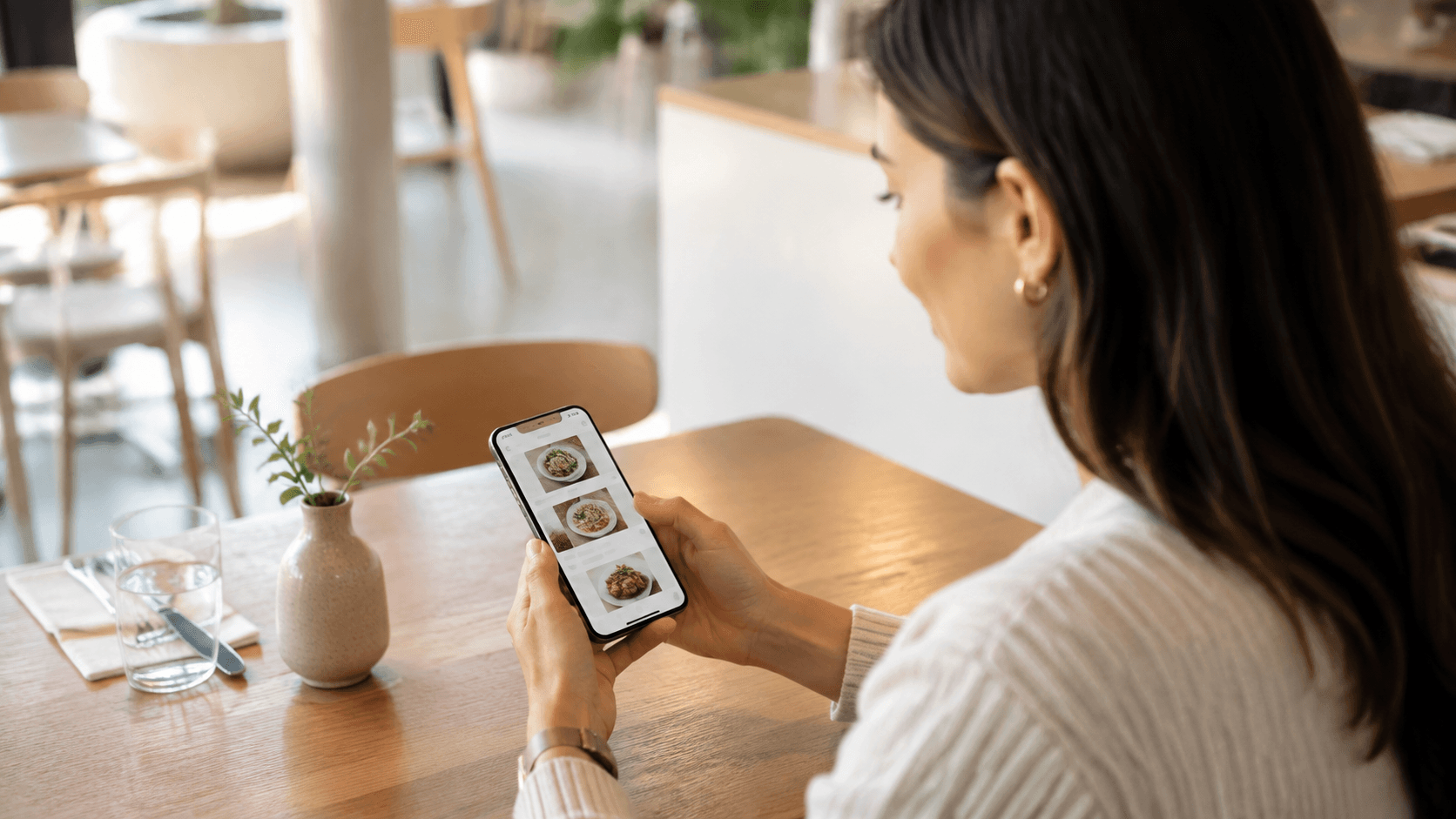
The term “contactless” became widely used during the pandemic, when minimizing physical contact was a health necessity rather than a convenience feature. Years later, contactless ordering has stuck around — not because of health concerns anymore, but because it turned out to genuinely improve the dining experience for a lot of customers and restaurants alike.
What Contactless Ordering Actually Covers
At its core, contactless ordering means a customer can browse the menu, place an order, and in many cases pay — without needing to physically hand anything to staff or wait for a menu to be brought over. This is usually delivered through a QR code system, though the concept itself is broader than just QR codes; it can include ordering apps, table tablets, or other self-service touchpoints.
Why It’s Still Relevant Beyond the Pandemic Era
Customer comfort and control. Many customers, especially younger diners, simply prefer browsing a menu and deciding at their own pace rather than feeling rushed by a server standing at the table.
Reduced wait times during peak hours. Since ordering doesn’t depend on staff availability, customers can place orders the moment they’re ready, rather than waiting for a server to notice them.
Hygiene as a baseline expectation, not a selling point. What started as a pandemic-era necessity has become something customers simply expect as an option, even if it’s no longer marketed explicitly as a “safety feature.”
Flexibility for solo diners or quick visits. For customers who want to order quickly without extended interaction, contactless ordering removes friction from the process entirely.
How This Fits Into a Broader Self-Order System
Contactless ordering isn’t a separate technology from QR code self-ordering — it’s really a way of describing the customer-facing benefit of that same system. A restaurant that implements table-side QR ordering is, by definition, offering a contactless ordering option. The distinction matters mostly in how a restaurant chooses to talk about it: some customers respond to “contactless” as a value proposition, others simply care about speed and convenience without needing the label.
Considerations for Restaurants Adopting This
It shouldn’t replace personal service entirely. For restaurants where personal interaction is part of the brand experience — fine dining, for instance — contactless ordering is usually best positioned as an optional convenience, not a full replacement for staff interaction.
Staff still need a role. Contactless doesn’t mean staff-less. Servers remain essential for answering questions, handling special requests, and managing the overall dining experience beyond just taking orders.
Consistency across the full experience. A contactless ordering option only works well if the kitchen and payment flow behind it are equally smooth — a fast ordering experience followed by a slow, disconnected kitchen process undermines the whole point.
Conclusion
Contactless ordering has moved from a pandemic necessity to a standard expectation for many diners. For restaurants, it’s less about adopting a specific label and more about ensuring customers have the option to order comfortably, at their own pace, through a system that’s genuinely convenient — not just technically “contactless.”
TalosDev builds custom QR self-ordering systems that deliver a smooth, contactless ordering experience tailored to your restaurant. Discuss your needs.